Cheesecloth is one of those humble kitchen tools that often gets overlooked until you need it. This versatile, loosely woven cotton fabric is a staple in professional kitchens and home pantries alike, prized for its ability to strain, filter, and wrap with ease. Whether you're making homemade cheese, clarifying butter, or creating a flavorful broth, having the right cheesecloth on hand can make all the difference. But with so many types and grades available, how do you choose? This guide will walk you through everything you need to know.
What is Cheesecloth and What Are Its Primary Uses?
At its core, cheesecloth is a lightweight, gauzy cotton fabric. Its open weave allows liquids to pass through while trapping solids, making it perfect for a myriad of tasks. The most common use, as the name implies, is in cheesemaking, where it's used to drain whey from curds. However, its utility extends far beyond the cheese cave. Home cooks use it for straining stocks and broths to achieve crystal-clear consommés, bundling herbs into a bouquet garni, or wrapping a turkey or roast to keep it moist. In the world of DIY, it's a popular crafts fabric for projects like ghost decorations, dyeing fabrics, or creating natural food wraps.
Understanding Cheesecloth Grades: From Loose to Ultra-Dense
Not all cheesecloths are created equal. They are categorized by "grade," which refers to the number of threads per inch. A lower grade means a looser weave, while a higher grade indicates a tighter, denser fabric. Grade 100 cheesecloth is the finest and tightest weave available, often called "butter muslin." It's ideal for straining very fine particles, like when making yogurt, nut milks, or clarifying butter. For a deeper dive into this premium option, check out our Grade 100 Cheesecloth guide.
Lower grades, like 40, 60, or 80, have more open weaves. They are suitable for tasks where you want some sediment to pass through or for wrapping larger items. When selecting a cheesecloth, consider what you'll be straining. For delicate tasks requiring a super-fine result, always opt for a higher grade.
Key Features to Look For in a Quality Cheesecloth
When shopping for cheesecloth, several features separate a good product from a great one. First, material matters. 100% unbleached cotton is the gold standard, especially for food-grade cheesecloth. It's free from chemicals and dyes, ensuring no unwanted flavors transfer to your food. Reusability is another major factor. Look for cloths with hemmed or closed edges; this prevents fraying and makes the cloth durable enough to be washed and used multiple times, which is both economical and eco-friendly.
Size and packaging are also important. Precut squares (like 20x20 inch or 36x36 inch) offer convenience, while multi-packs provide great value for frequent users. For a comprehensive look at all the factors, our Cheesecloth Guide breaks it down in detail.
Top Cheesecloth Picks for Every Kitchen Need
With numerous options on the market, here are a few standout choices that cater to different needs:
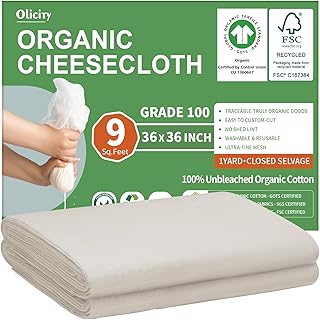
For the eco-conscious cook, the Organic Cheese Cloths, GOTS Certified are an excellent choice. Made from certified organic cotton with closed edges, this 36x36 inch cloth is a reusable workhorse perfect for serious cheese making and fine straining.
If you need an ultra-fine weave for tasks like making quark or straining juice, the Cotton Farm Grade 100 XL Cheese Cloth is a top contender. Its "ultra-dense" butter muslin construction ensures nothing slips through, and the hemmed edges promise longevity.
For everyday kitchen tasks, a convenient multi-pack is ideal. The 6-Pack Beige Cheesecloth, 20x20 Inch offers great value. The hemmed edges make them reusable, and the Grade 100 quality is versatile enough for cooking turkey, baking, and juice straining.
Sometimes, a traditional bleached option is preferred for crafts or specific culinary uses. The GoodCook Everyday 100% Cotton Cheesecloth provides two square yards of versatile fabric. Learn more about its applications in our dedicated GoodCook Cheesecloth guide.
Caring for Your Cheesecloth
To get the most out of your reusable cheesecloth, proper care is essential. After use, rinse it immediately under cold water to remove food particles. For a deeper clean, you can hand-wash it with a mild detergent or toss it in the washing machine on a gentle cycle. Avoid using fabric softener, as it can clog the weave. Always air dry your cheesecloth; the heat from a dryer can weaken the fibers. With proper care, a high-quality, hemmed cheesecloth can last for many uses, making it a sustainable cooking essential.
In conclusion, whether you're a seasoned cheesemaker, an avid cook, or a DIY enthusiast, investing in the right cheesecloth will elevate your projects. By understanding grades, prioritizing features like unbleached cotton and hemmed edges, and choosing a product that fits your specific needs—be it the organic certification of the GOTS cloth or the convenience of a 6-pack—you'll have a versatile tool ready for any task that comes your way.